Autism Mom Illustrations: A Designer’s Honest Review for Real Embroidery Projects
First Impressions: Warm, Honest, and Emotionally Resonant
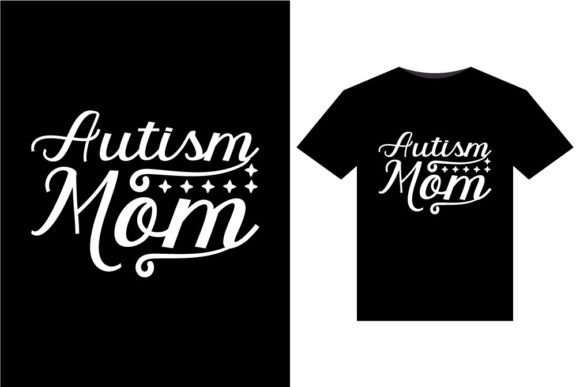
Opening the Autism Mom Illustrations for Print-ready collection, I immediately felt a sense of warmth and sincerity. The designs carry a soft, hand-drawn aesthetic that feels personal and inclusive. They’re not overly stylized or cartoonish, which makes them perfect for projects aiming to connect on an emotional level. The theme centers around the daily experiences and quiet strength of autism moms, with imagery like hugs, hearts, and gentle affirmations like “Proud Autism Mom” subtly embedded into the artwork.
The layout is clean and well-balanced, with enough detail to feel meaningful without being overwhelming. The visual personality leans toward comforting and supportive — a tone that’s ideal for awareness campaigns, boutique items, or personalized gifts. As a designer, I appreciated the consistent line weight and thoughtful spacing, which are crucial for machine embroidery clarity.
Real-World Use: From Sweatshirts to Baby Clothes
I tested one of the designs on a custom embroidered sweatshirt, and the result was surprisingly clean and professional. The stitch paths looked well-constructed — no unnecessary overlaps or overly dense areas that can cause puckering. I also stitched a smaller version onto a baby onesie, and even at reduced size, the design held up well. The soft curves and minimal detail made it forgiving for stretchy knit fabric, which is always a challenge in embroidery.
For tote bags and aprons, the designs add a personal, boutique-style touch. They’re versatile enough to work as standalone pieces or paired with text. I also tried one on a holiday gift — a personalized kitchen towel — and it gave the item a heartfelt, handmade feel that’s very marketable, especially around Autism Awareness Month.
Commercial Potential: Etsy, Small Shops, and Craft Fairs
If you're an Etsy seller or run a small craft business, these illustrations offer strong resale appeal. They’re emotionally engaging and fit well into niches like special needs parenting, awareness merchandise, and inclusive gift-giving. Because they’re vector-based and resizable, you can scale them for different product types without losing quality — a major plus for digital product sellers.
For commercial embroidery projects, the designs are adaptable to both light and dark fabrics, though I recommend testing thread contrast on darker backgrounds. They’re also well-suited for embroidered patches, which can be sewn onto jackets, bags, or uniforms.
Where to Be Careful: Fabric, Fit, and Detail
While the Autism Mom Illustrations for Print-ready are generally well-suited for embroidery, there are a few areas to watch. The more detailed corners of some illustrations can get lost on textured or thick fabrics like fleece or denim. I noticed this when stitching onto a cotton canvas tote — the finer lines didn’t stand out as clearly as they did on smooth cotton.
On stretchy fabrics like baby onesies or athletic wear, I’d recommend using a lightweight cutaway stabilizer to prevent distortion. Also, if you're working with curved surfaces like caps, test the design on a similar shape first to see how the layout adjusts. Some of the designs include small lettering or fine satin stitches that might close up on dense fabrics or with incorrect tension settings.
Stitching Clarity and Visual Appeal
One of the strongest points of these illustrations is their clarity. Whether stitched in satin, fill, or running stitch, the outlines are sharp and well-defined. There’s a good balance between detail and simplicity, which helps the designs read clearly even from a distance. This is especially important for wearable items like t-shirts and sweatshirts, where the design needs to be legible and impactful without being too busy.
From a visual appeal standpoint, these illustrations elevate the perceived value of any product they’re applied to. They give handmade items a polished, intentional look that helps build customer trust and brand consistency. Whether used on a custom embroidered blanket or a boutique nursery print, they carry a sense of care and intention that resonates well with buyers.
Design Notes for Embroidery Success
Here are some practical tips I picked up while working with the Autism Mom Illustrations for Print-ready:
- Test on scrap fabric first — especially if you're using a new material or a curved surface.
- Check thread color contrast — some of the lighter gray tones may disappear on dark fabrics.
- Review stitch density — adjust if needed to avoid puckering on delicate or stretchy materials.
- Confirm hoop size — make sure your machine can accommodate the largest design before stitching.
- Inspect small details — especially in corners and lettering, to ensure they stitch cleanly.
- Try black and white mockups — this helps you see the design’s structure without color distractions.
- Compare light and dark fabric backgrounds — some illustrations may need color tweaks for optimal visibility.
- Use the right stabilizer — especially for stretchy or textured fabrics.
- Check licensing — before selling any finished items or digital products that include these designs.
Final Thoughts: A Thoughtful Addition to Your Design Kit
Overall, the Autism Mom Illustrations for Print-ready deliver a strong combination of emotional depth, visual clarity, and practical usability. They’re well-suited for a wide range of handmade products, from personalized gifts to small business merchandise. Whether you’re an embroidery designer, a craft business owner, or just someone looking to create something meaningful, these illustrations offer a valuable, versatile resource.
As with any digital embroidery file, it’s important to test and adapt them to your specific project needs. But with a little care and attention, these designs can become a go-to part of your creative toolkit — helping you make products that not only look good but feel good, too.