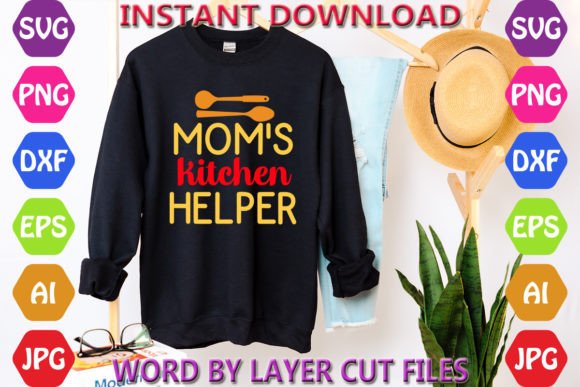
Mom's Kitchen Helper: A Designer's Real-World Take
First Impressions: Warm, Whimsical, and Ready for Custom Craft
When I first opened the Mom's Kitchen Helper design file, what struck me was its cozy, approachable vibe. It feels like a warm hug from a vintage kitchen — complete with utensils, flour sacks, and handwritten-style lettering. The layout is balanced but not rigid, giving it a hand-drawn charm that works well for embroidery. It’s clearly aimed at a niche audience: moms, bakers, home cooks, and gift-makers who want to add a personal touch to their handmade items.
From a design standpoint, this is a graphics-based layout, not overly detailed but still expressive. The word-by-layer structure suggests it's intended for easy digitizing and layering, which is great for both beginners and experienced embroiderers looking to tweak colors or layout for different fabric tones.
Real-World Use: From Tote Bags to Holiday Gifts
I recently tested Mom's Kitchen Helper on a custom embroidered tote bag — a common product for Etsy sellers and craft fair vendors. The design scaled well to a medium hoop size and stitched cleanly on cotton canvas with a light stabilizer. The layering made it easy to adjust thread colors mid-stitch, which is a big plus for those personalizing the design for clients.
It also held up nicely on a baby onesie. The satin and fill stitches were crisp without being too dense, which is important for soft, stretchy baby fabrics. For small shop owners selling personalized baby gifts, this design could be a reliable go-to.
When I tried it on a dark kitchen towel, the contrast was strong, especially with white or light yellow thread. The visual personality of the design really popped, which is a big deal when you're selling boutique-style embroidered linens or holiday gifts.
Where It Shines: Versatility Meets Emotional Appeal
One of the standout features of Mom's Kitchen Helper is its emotional resonance. It’s not just a graphic — it’s a message. That makes it perfect for personalized gifts, especially for Mother’s Day, bridal showers, or housewarming presents. The theme is universal but specific enough to feel special.
I found it worked well on sweatshirts and aprons — two popular items for craft entrepreneurs. The design has enough detail to look professional but isn’t so intricate that it becomes a pain to stitch out. It’s a solid middle ground between decorative flair and practical embroidery execution.
For Etsy sellers or small shop owners, this design could easily become part of a themed product line — think kitchen-themed gift sets with embroidered towels, aprons, and totes. It also works as a digital embroidery file that can be sold alongside mockups or DIY kits.
Caution Zones: Know Your Limits
While Mom's Kitchen Helper is versatile, it’s not a one-size-fits-all solution. The lettering is fairly small, especially in the layered elements. On dark or textured fabrics like denim or felt, some of the finer details might get lost. If you're planning to use this on a curved surface like a baseball cap, test it on a mock-up first — the layout may need adjustments to maintain legibility.
Also, be cautious with hoop size. If you're working with a small embroidery field, parts of the design might not fit without scaling, which could compromise clarity. Dense satin stitches around the utensils or flour sack elements may cause puckering on thin or stretchy fabric, so a quality stabilizer is a must.
For those selling finished products or digital embroidery files, always check licensing before offering items with Mom's Kitchen Helper for sale. It’s a digital download only, so confirm whether it's approved for commercial use or if you need to purchase an extended license separately.
Stitching Clarity and Fabric Choices
One of the first things I did was stitch out Mom's Kitchen Helper on both light and dark fabric swatches. On light cotton, the color layering really stood out — especially with contrasting thread like red and mustard. On black fabric, I had to go with white and gray threads, which gave it a more modern, minimalist feel. Either way, the clarity of the design remained intact.
The satin and fill stitches are well-balanced. There’s no unnecessary density, which helps prevent fabric distortion. Still, I recommend doing a test run on scrap fabric before jumping into a customer order. It’s always better to be safe than sorry, especially when dealing with personalized or gift items where expectations are high.
Design Notes for Embroidery Pros
- Test the design on a variety of fabric types before selling finished products
- Use a lightweight or medium-weight stabilizer for best results on soft fabrics
- Check thread color contrast, especially for small lettering and layered elements
- Verify hoop size compatibility with your machine before stitching
- Inspect fine details like utensil handles or flour sack stitching for clarity
- Try a black and white mockup to see how the layout reads without color
- Confirm licensing terms if you're reselling embroidered items or digital designs
Final Thoughts: A Thoughtful Addition to Your Design Kit
Mom's Kitchen Helper is more than just a T-shirt design — it's a flexible embroidery asset that fits well into a variety of real-world projects. Whether you're a craft business owner, Etsy seller, or just a hobbyist looking to add a personal touch to your makes, this design brings both charm and practicality to the table.
It’s not overly complex, which makes it accessible, but it still has enough visual interest to stand out. As long as you're mindful of fabric choices, hoop size, and color contrast, this design can become a staple in your embroidery project lineup.
For those selling digital embroidery files or handmade goods, Mom's Kitchen Helper offers a great balance of emotional appeal and technical usability. It’s a design that says something — and that’s always a good thing when you're trying to connect with customers.